Estate Planning

A comprehensive guide to Islamic estate planning, trusts, and inheritance distribution.

Importance of Islamic Will

An Islamic will (Wasiyyah) is a crucial document for every Muslim family. It ensures that your wishes are honored in accordance with Sharia law and local regulations. By preparing a will, you can specify bequests (up to one-third of your estate), appoint guardians for minor children, and provide clear instructions for funeral arrangements. Having a will helps prevent family disputes, protects your loved ones, and guarantees that your estate is distributed justly and efficiently. It is both a religious duty and a practical step for peace of mind.

Download Template (FREE)

Family and Assets Protection

Islamic Trust (Waqf)

An Islamic trust, or Waqf, is a powerful instrument for protecting and preserving family wealth while earning continuous rewards (Sadaqah Jariyah). It allows you to:

  • Protect assets for future generations
  • Generate sustainable income for beneficiaries
  • Support charitable causes indefinitely
  • Minimize tax implications and estate duties
Benefits of Creating a Trust
  • Asset Protection: Shield wealth from creditors and legal claims
  • Privacy: Keep family matters and distributions private
  • Flexibility: Adapt to changing family circumstances
  • Control: Maintain oversight of asset distribution

Islamic Inheritance Distribution

Pre-Distribution Requirements

Order of Priority
  • Funeral Expenses - Reasonable burial costs
  • Outstanding Debts - All debts must be paid
  • Bequests (Wasiyyah) - Up to 1/3 of estate
  • Inheritance Distribution - Remaining estate
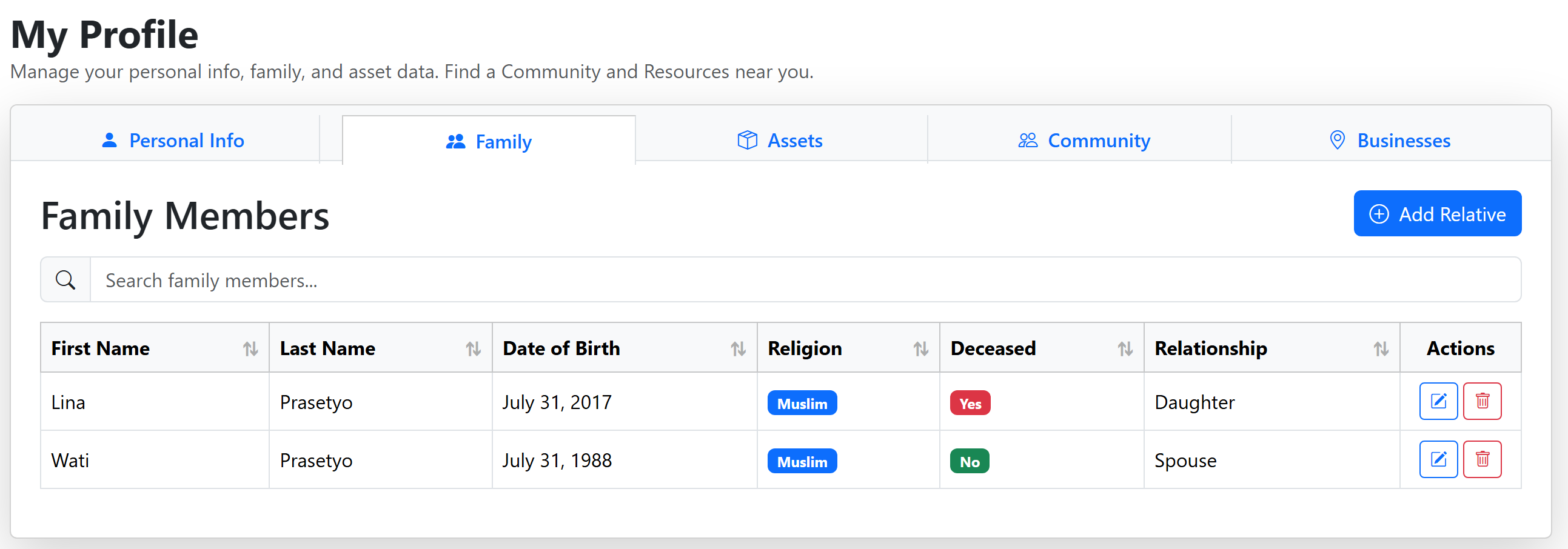
Islamic Inheritance Calculator

Fixed Shares (Fara'id)

Heir Share
Spouse (if children) 1/8 (wife), 1/4 (husband)
Spouse (no children) 1/4 (wife), 1/2 (husband)
Father (if children) 1/6
Mother (if children) 1/6
Daughter (only child) 1/2
Son 2x daughter's share

Distribution Process

1. Calculate Estate

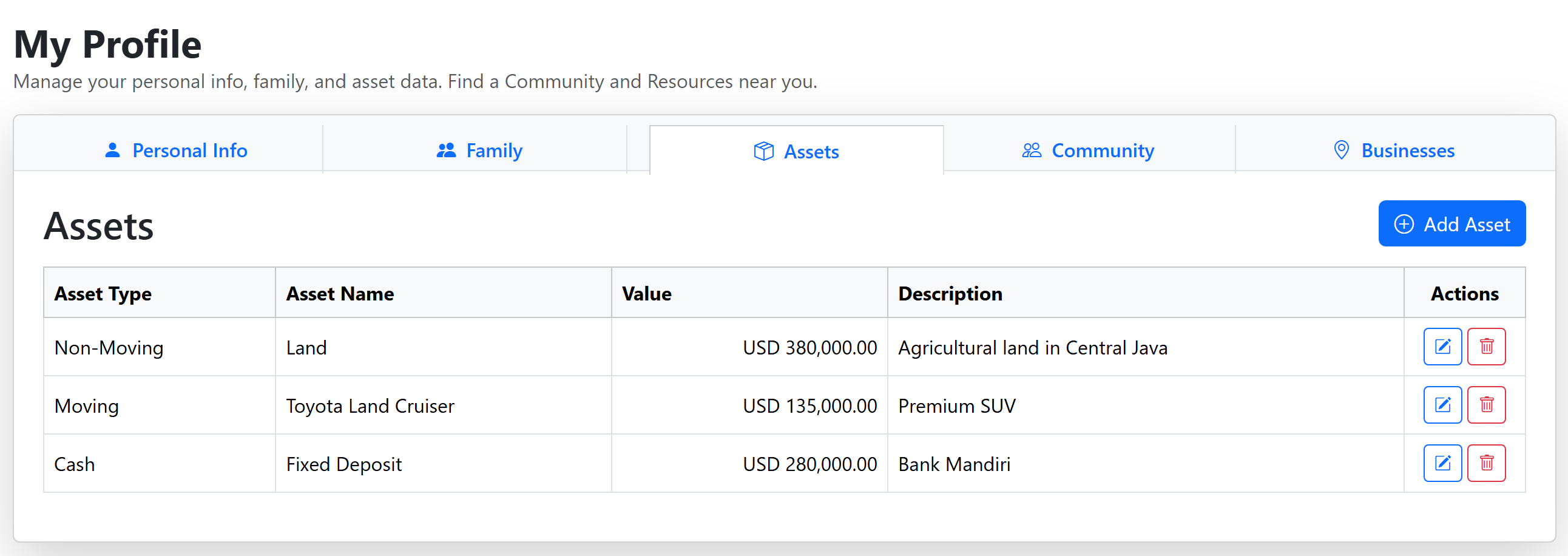
Determine total value of assets after debts and expenses

2. Identify Heirs

List all eligible heirs according to Islamic law

3. Distribute Shares

Allocate inheritance according to fixed Islamic shares

Considerations

Legal Requirements
  • Comply with local laws and regulations
  • Obtain death certificate and legal documentation
  • Consult with Islamic scholars for complex cases
  • Consider tax implications in your jurisdiction
Spiritual Aspects
  • Seek Allah's guidance throughout the process
  • Maintain family unity and avoid disputes
  • Remember the temporary nature of worldly possessions
  • Pray for the deceased and seek forgiveness

Need Help with Calculations?

Use our AI-powered Islamic inheritance calculator for accurate distribution according to Sharia law.